TL;DR
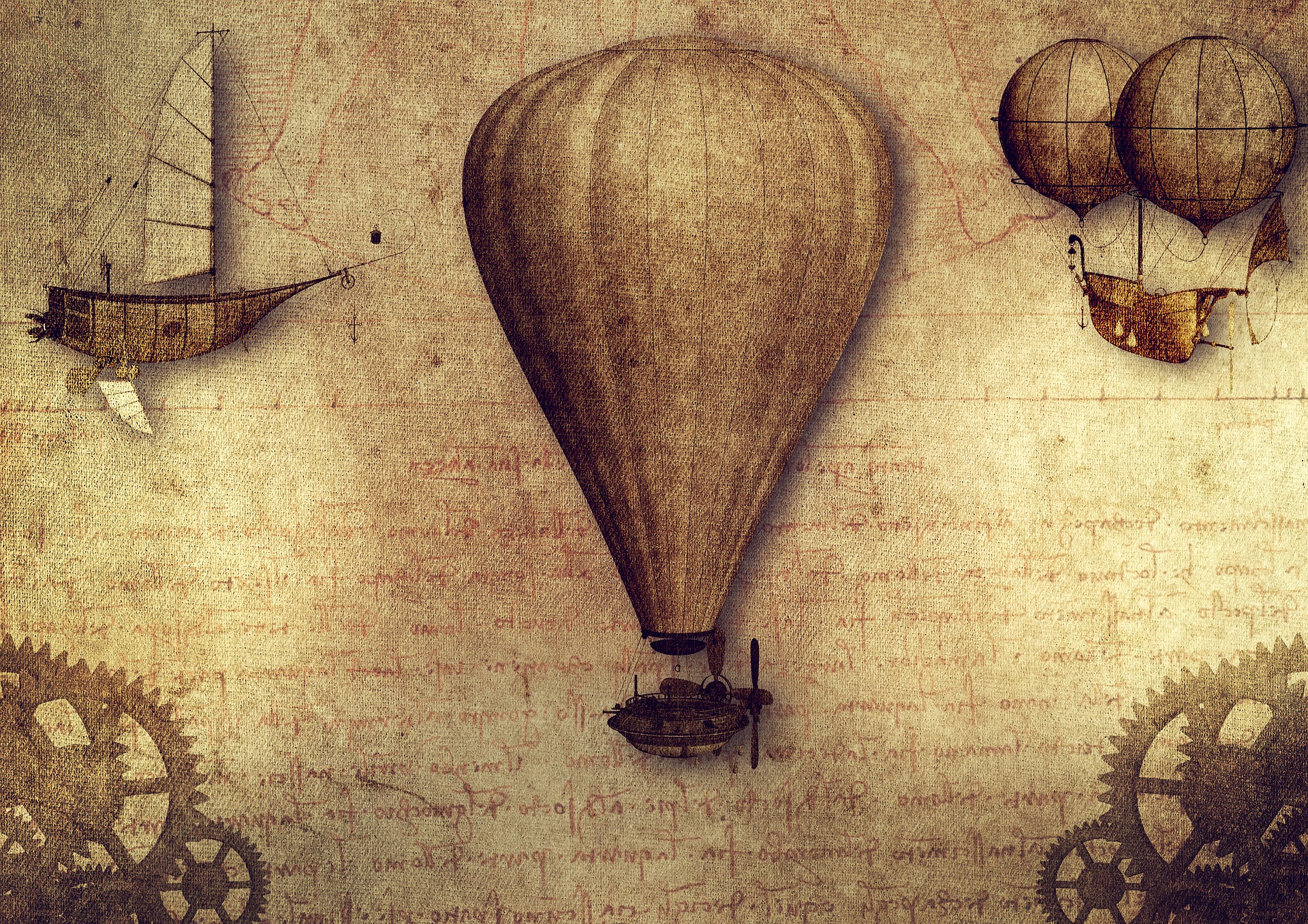
For those who don’t know, steampunk is a sub-genre of science fiction that features retro-futuristic technology and aesthetics prominently inspired by 19th-century industrial steam-powered machinery and design. Often created as an alternative history, the Victorian Era and the American West are frequently the backdrops for this imaginative genre.
In this article, we will cover what steampunk is, how it’s used in culture, and how it’s the perfect genre to encourage kids to explore and create worlds of their own.
What is Steampunk for Kids?
Say the word “steampunk,” and you often get two reactions.
#1 – A blank stare of confusion
#2 – An image of someone wearing a top hat and aviator goggles (mustache or corset may or may not be included)
Steampunk has not been widely accepted or understood in popular culture for a long time, but it has thrived in smaller cultural niches, often with an edgier adult tone and darker aesthetic.
But that’s just one way to view the genre.
The actual definition of steampunk leaves it open to fresh (and kid-friendly) interpretations.
Steampunk is a subgenre of science fiction that incorporates retro-futuristic technology and aesthetics prominently inspired by 19th-century industrial steam-powered machinery and design. Often created as an alternative history, the Victorian Era and the American West are frequently the backdrops for this imaginative genre.
Science fiction plus 19th-century steam technology plus alternate history = awesome.
Steampunk Examples in Movies and Books
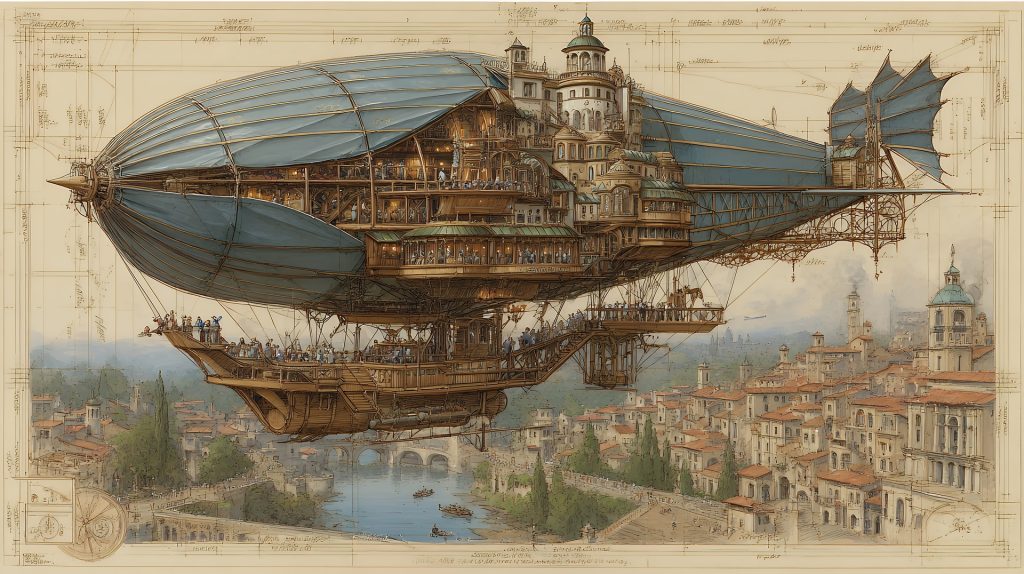
Without a doubt, one of the most appealing aspects of steampunk is the machines and technology. Mysterious submarines, floating islands, airships, automatons, and mechs? It’s an absolute Candy Land for an artistic mind, but mixed with the nuts and bolts of practical science and technology that keep this genre grounded.
Jules Verne, whose work helped inspire what we now call steampunk, was one of the most respected voices in science fiction. The monstrous Nautilus featured in 20,000 Leagues Under the Sea is a prime example of making futuristic (for the time, anyway) technology the shining star of an alternative history.
Hugo, set in the more modern 1930s, features a boy living in a Paris train station, where he maintains the station’s clocks and attempts to repair a beautiful old automaton.
The City of Ember takes place in a steampunk-like environment featuring rich worldbuilding and a post-apocalyptic society on the brink of collapse. To escape a dying underground city, the main characters must decipher a set of instructions and follow a pre-engineered path of escape created hundreds of years before by The Builders.
Probably the best-known examples of this genre are Disney’s beloved classics, Treasure Planet and Atlantis: The Lost Empire. While Treasure Planet could be more correctly termed “space punk,” it still features airships, 19th-century technology in an alternative Victorian era, and the high-flying imagination steampunk is known for. Atlantis: The Lost Empire combines ancient history, alternative Victorian-era history, Atlantean magic, and magnificently futuristic technology into a hilarious adventure story.
What do all these stories have in common?
- Exploration
- Alternative historical settings
- Steam-powered technology
- Fantastical settings grounded in reality
That’s steampunk.
Why Steampunk Is Great for Kids
Kids are crazy smart. They can also be whimsical and will remain so if we nurture their creativity rather than squashing it.
Steampunk is the perfect intersection of creativity and intelligence. A world of floating islands = whimsical. Airship engines, water pumping systems, and factories = practical intelligence.
For your kids to understand steampunk, they need to engage their imagination and learn the practical realities of how and why things work. What propels the airship? How does it stay in the air? How could you manage an underground city with steampowered mechanics? What inventions would you need to make life work?
Your kids can also learn real history if they want to pull it apart to recreate it in their own steampunk worlds. What happened in the Victorian Era or American West in science, technology, and geopolitical spheres, and what pieces do you want to incorporate in your story? How can you take the grime and the glamor and make them your own?
Steampunk encourages an inventiveness that kids naturally possess and will grow in if we nurture them. (Seriously, have you ever tried to play a classic board game with a kid who ‘invented’ their own rules for it? No creativity lacking here!)
Before you know it, your kids will be building worlds and coming up with ideas that combine science, art, history, and their own imagination.
How Steampunk Inspires Creativity and Learning
As a fun way to engage with your kids, try these steampunk imagination activities.
- Ask: What powers your airship?
- Imagine: How does a floating city stay in the sky?
- Explore: What inventions would people need to survive?
- Create: What would your world look like?
Willomina Tip: My Steampunk World
I’ll be honest, steampunk wasn’t the genre I started with—but once I discovered it, I realized how powerful it is for building rich, imaginative worlds.
For Willomina, I turned my focus skyward. She is a child of the air, born of a world of floating islands, airships, and complex geopolitical forces.
Through her eyes, we are introduced to the practical realities of airships, trade agreements, coal-dependency, star navigation, and steam-powered water systems.
I also included whimsical elements, like the Gem Forest on Willomina’s beloved home island, and the Legend of Polaris, which tells the story of brave adventurers who saved the light of the Northern Star.
My world is one you can touch, taste, smell, feel, and imagine, familiar, and yet it’s entirely unique and unknown.
That’s the power of steampunk, and it’s a power you can harness to inspire your kids today.
Free Steampunk Writing Prompts for Kids (Printable PDF)

Spark your kids’ creativity with these prompts to help build their imagination, storytelling skills, and confidence.
Inside this free PDF, you’ll find:
An airship adventure prompt – Captain of the Skies
A mystery and stealth scenario – Hidden in the City
A high-stakes exploration – Treasure in the Sea
These prompts are perfect for:
- Parents and homeschool families
- Teachers and classroom activities
- Young writers who love fantasy and steampunk worlds
To get the most out of these prompts:
- Set a 10–15 minute timer.
- Let kids draw before they write.
- Encourage “what if” thinking.
- Focus on creativity—not perfection.
Download Your Free Steampunk Writing Prompts
Get started on your steampunk adventure!
Now that you know what steampunk is, it’s time to explore! Check out a book, movie, or create your own steampunk story.
Fly well!
Grace (author of Willomina Tip)