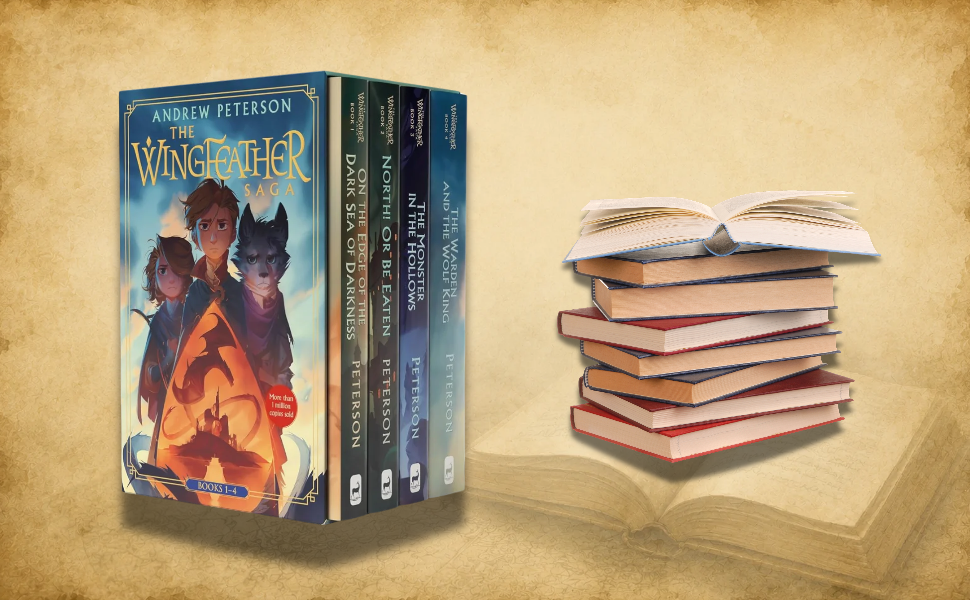
For years, I heard about this series called The Wingfeather Saga.
But it wasn’t until I learned Angel Studios was adapting the books into an animated series that I took the time to read them for myself.
Wow.
I was initially a bit shocked. The situations these child characters found themselves in were horrifying. The Fangs and the Black Carriage were enough to make this grown woman a little extra jumpy at nighttime.
And yet, the world was charming and innocent. Sea dragons that dance, ridiculous creatures like Toothy Cows, and cheese chowder that makes you salivate just thinking about it.
I loved the children (Janner is my favorite). Uncle Artham’s transformation really touched me. And I was fascinated by the icy city of Kimera.
The Wingfeather Saga combines innocence and humor, rich worldbuilding, and emotionally deep character arcs into a very unexpected package.
The problem is that type of story is few and far between.
Or is it?
6 Books and Series for Readers Who Love The Wingfeather Saga
First up, we have a classic.
The City of Ember by Jeanne DuPrau
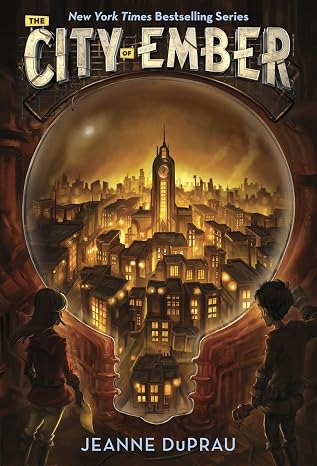
Lina and Doon have grown up in Ember, an underground city lit by enormous lamps that are beginning to fail. When Lina discovers part of an old message, the two children begin searching for a way to save their people—even when almost no one believes them.
I actually saw the movie first, which was a pretty good as book movies go. But the themes come across so much more deeply in the book. In this story, I found a beautiful representation of:
- Perseverance in the face of persecution
- Willingness to do what is right even if you are alone
- Faith in a future no one else believes in
- A child’s bravery
- Choosing hope and light for a future that appears dark
Much like the characters in The Wingfeather Saga, the children in The City of Ember have to choose to believe in something they have never seen and fight for a future no one believes is possible. It really encouraged me and has stuck with me since.
The Imagination Station Series by Paul McCusker
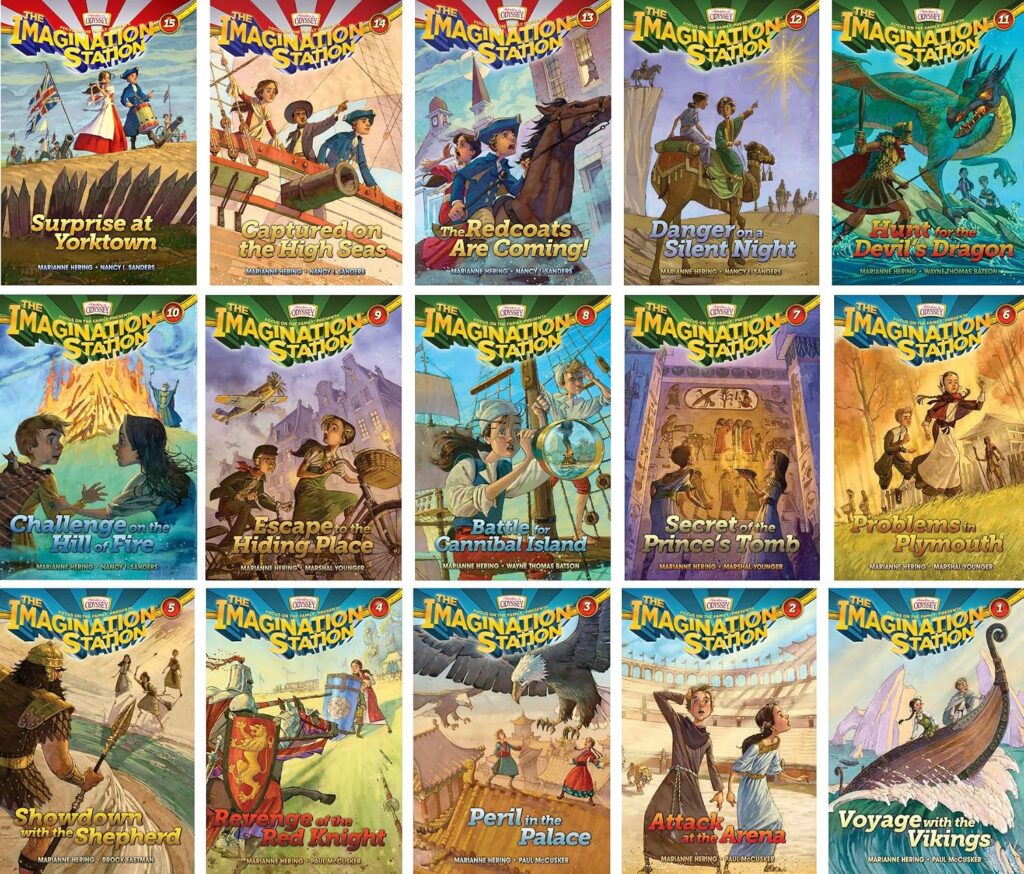
From the world of Adventures in Odyssey comes a magnificent time-traveling, faith-filled, action-packed series! Join cousins Patrick and Beth as they travel to various lands and times, meeting famous historical figures and seeing God at work across history.
My younger brother had a set of these when he was a newer reader. Intrigued by the cover, I picked one up and gave it a go. Wow, even though it was well below my reading level, I was immediately pulled into the story and found myself rooting for the characters.
I’m a sucker for history. I’m a sucker for time travel. I’m a sucker for a good adventure.
I liked these books so much that when I was leading a daycare class for 7-10 year olds, I chose this series for our afternoon reading time. Through these pages, we explored:
- History
- Science
- Geography
- Faith
Beautiful conversations and questions emerged while we discussed these stories.
While each book in this series is a faster read than The Wingfeather Saga, it deserves a similar place of honor for the quality of the reading experience.
The Cooper Kids Adventure Series by Frank Peretti
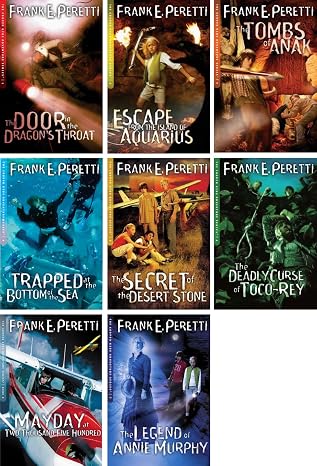
These books almost turned me into an archaeologist.
Teenagers Jay and Lila Cooper and their archaeologist father travel throughout the world solving mysteries both natural and supernatural in this popular series.
Warning: these are not for little kids, but are better suited for your older readers. This series covers spiritual warfare, time travel, plane hijacking, deadly toxins, and ancient paganism. Like The Wingfeather Saga, this series does not shy away from hard topics.
I’ve witnessed adults and kids alike sit on the edge of their seats while reading these books. Frank Peretti can pace a climax like no one else. Throughout the series, I was constantly reminded of:
- God’s power
- The importance of truth
- Bravery and resourcefulness
- How precious human life is
Mom and Dad, you might want to read these first (but you’ll thank me because they are such a great read). This series had such a huge impact on my childhood and stays with me even now.
Passages Vol 1-2 by Paul McCusker
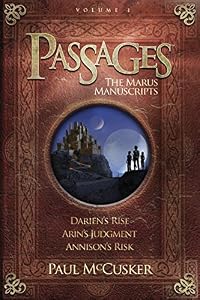
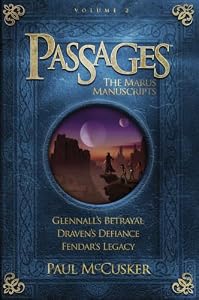
These fantasy takes on classic Bible stories will help you see the stories you know in a whole new way. Children from our world are suddenly thrust into a fantasy reality where they experience battles, political conflicts, and life-or-death decisions.
The 6 books cover the stories of:
- Noah
- David
- Esther
- Joseph
- Elijah
- Moses
I picked these up randomly at a church library as a kid, and once I opened them I devoured them whole. Like The Wingfeather Saga, the children in these books have to rise to the occasion and become more than they thought was possible. I loved it, and so will your kids.
Dragons: Legends & Lore of Dinosaurs by Laura Welch, Bodie Hodge, and illustrated by Bill Looney
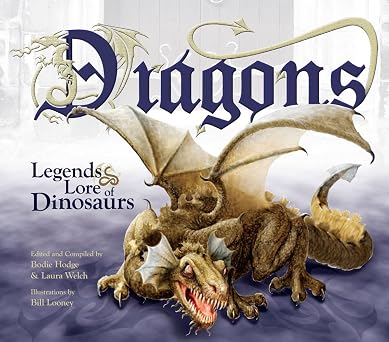
This book is going to change your world.
Part of a series that also covers the numerous global legends of Noah’s Flood, as well as the myths and history of giants, this is one of my favorite books on the planet.
First, it’s crazy fun to read. There are pop-outs, pockets, and moving parts on almost every page.
Second, it explores dragon legends from cultures around the world and makes the case that some of those stories may have roots in real encounters with creatures we would recognize as dinosaurs. Whether you’re fascinated by the history, the legends, or the debate itself, there’s a lot here to explore.
Only read this if you love:
- History
- Geography
- Archaelogy
- Dragons
- Heroes
- Legends
- Amazing art
For those who wish the world of Wingfeather was real, you might find out that our world is more similar than you thought.
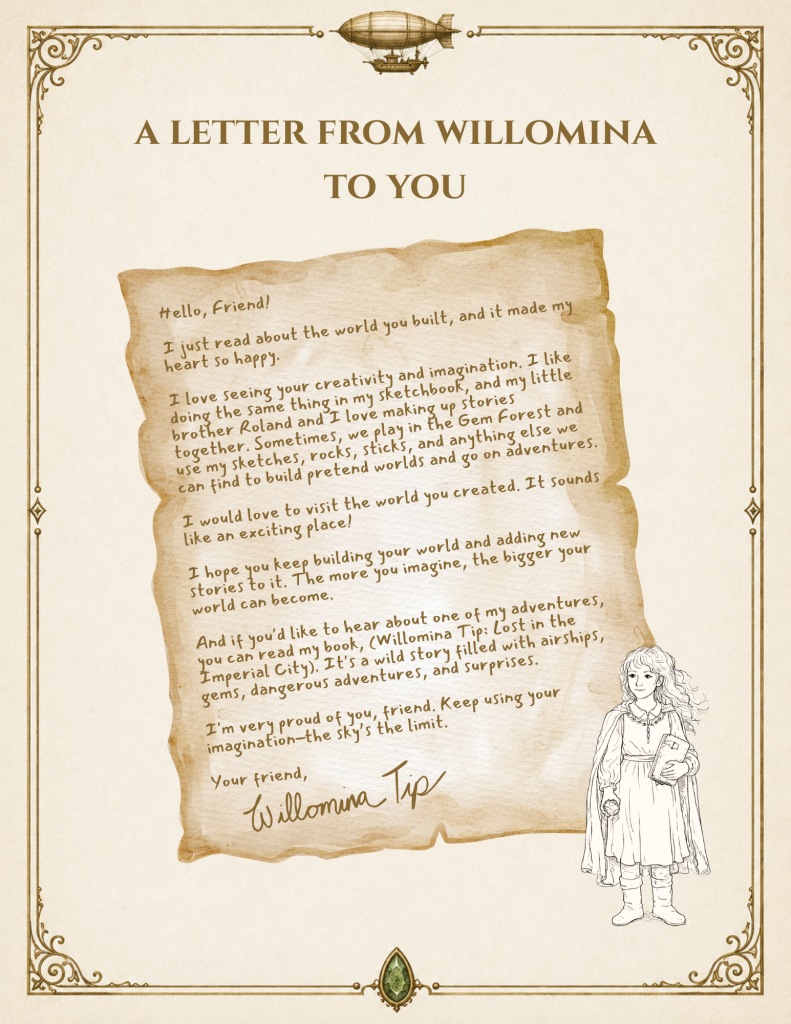
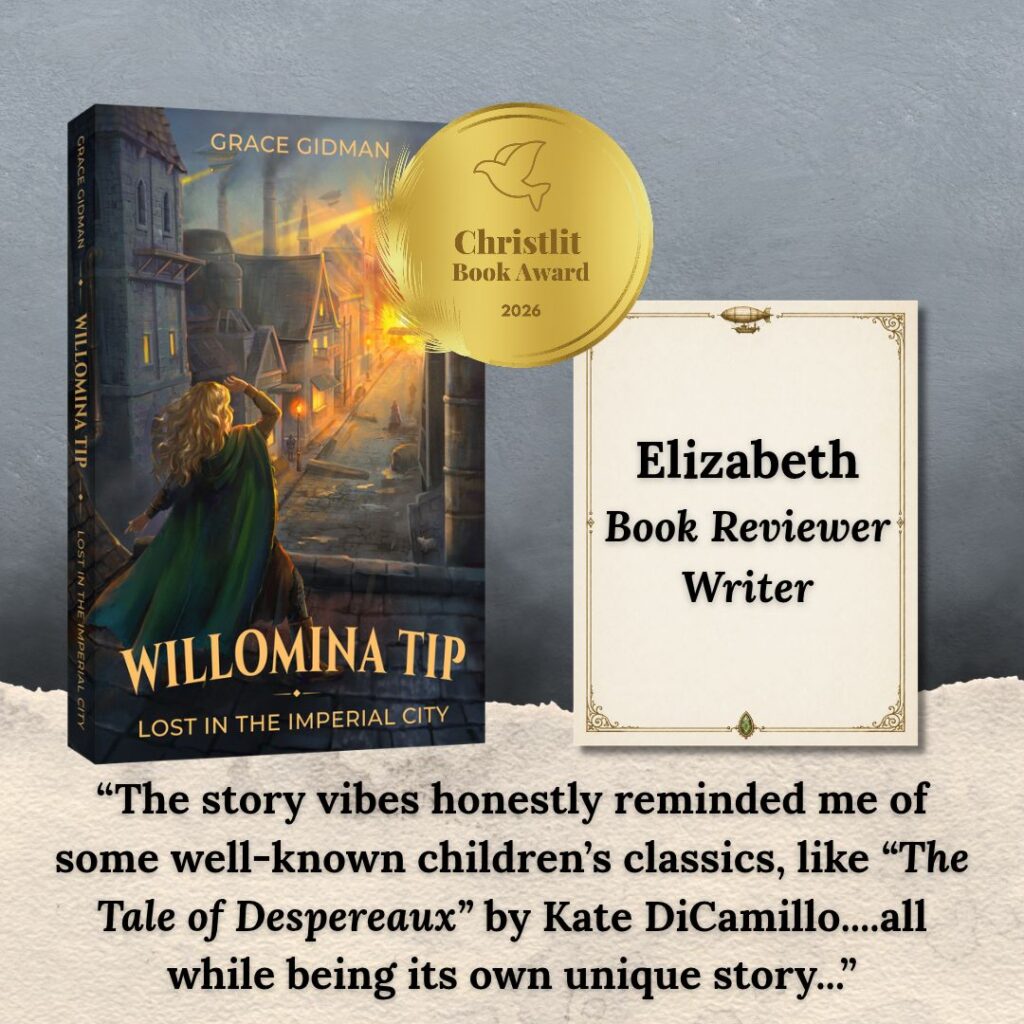
Willomina Tip: Lost in the Imperial City by me
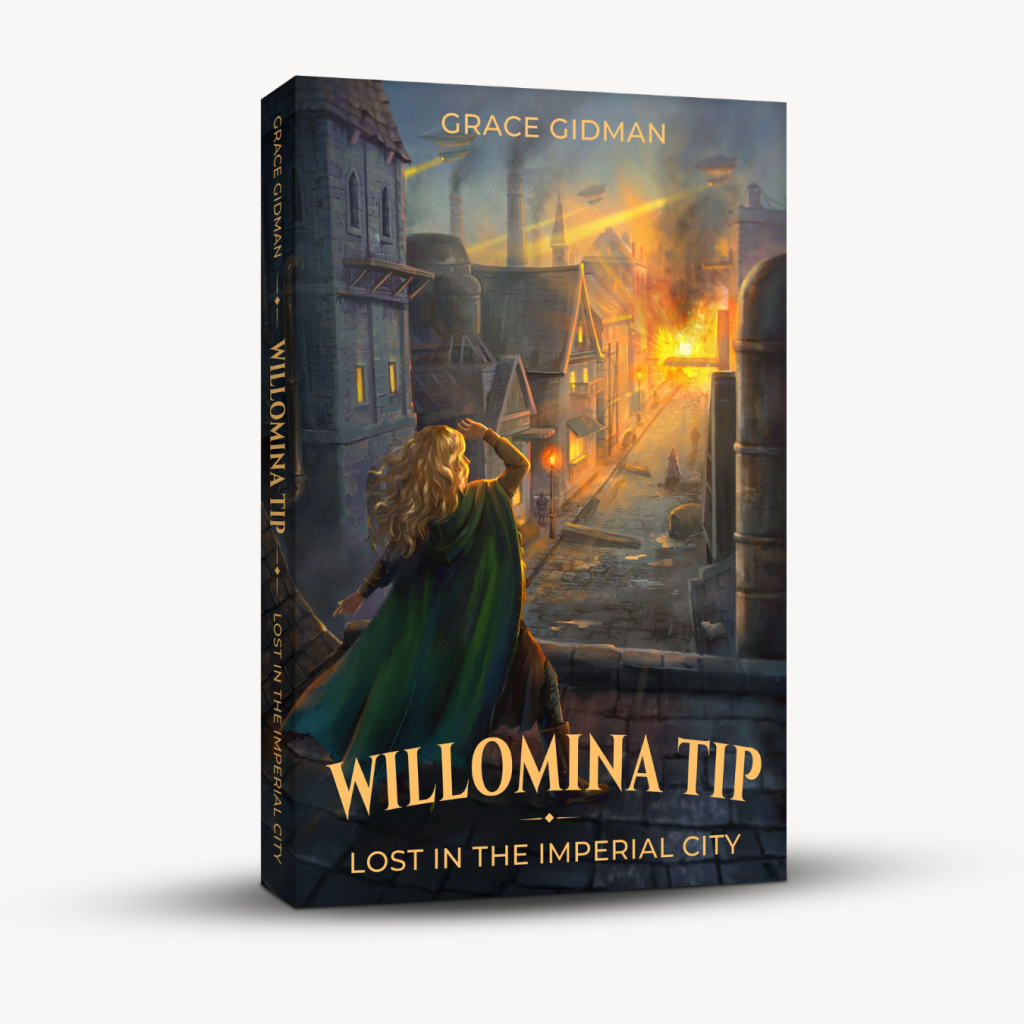
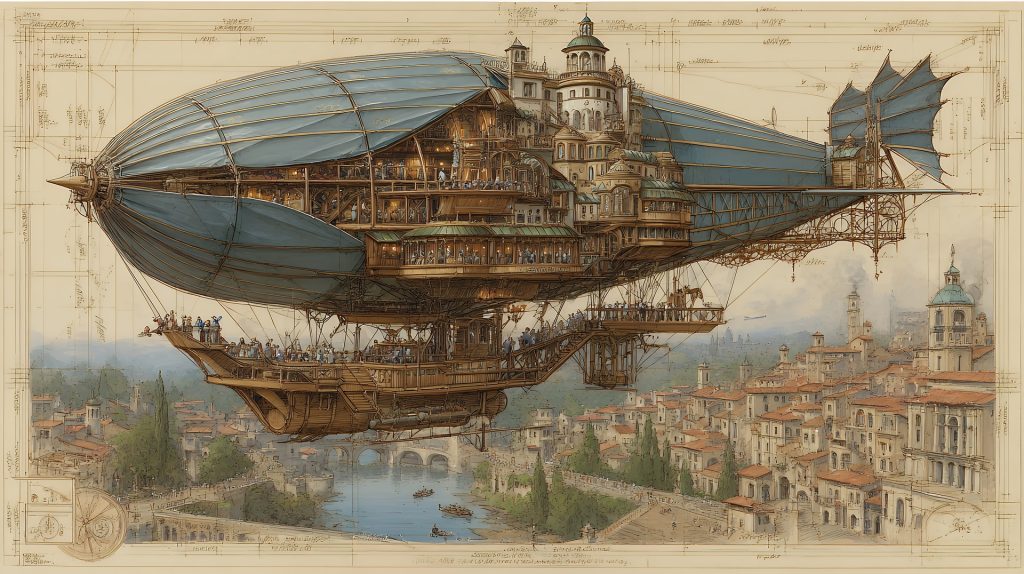
Willomina Tip has spent her whole life dreaming of the day when she can join her father on his annual visit to the Imperial City, the largest floating island in the known world.
But when a shocking revolt turns the magnificent city into chaos, Willomina suddenly finds herself alone, stranded, and struggling to survive.
With danger spreading through the streets and no way home, she must navigate a city filled with secrets, strange allies, and unexpected enemies. If she hopes to return to her family, Willomina will need courage, quick thinking, and perseverance she never knew she had.
When I wrote Willomina Tip, I wanted to create the kind of reading experience I enjoyed with books like The Wingfeather Saga. My goal was to offer:
- Rich worldbuilding
- Legends, lore, and history
- High stakes
- Villains you love to hate
- Awesome animal sidekicks
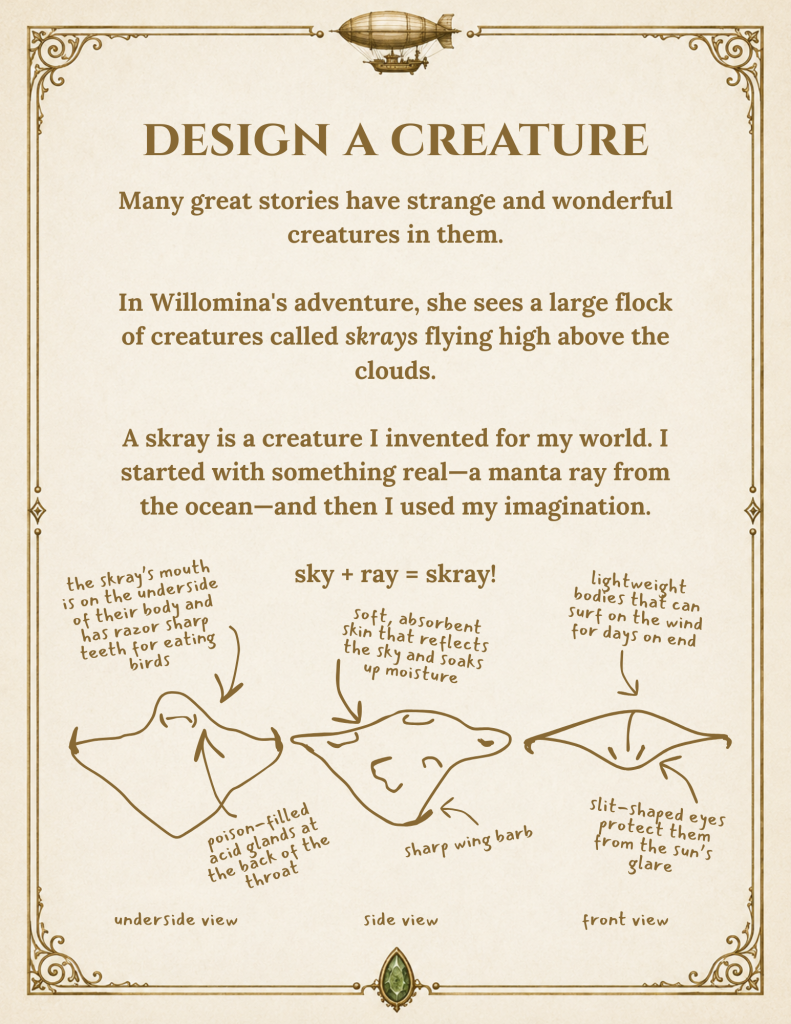
- Strange creatures
- Secrets that unfold throughout the series
- Vivid sensory details
- A character you would cross the ocean (or sky) for
I believe we all deserve more books like The Wingfeather Saga – books that inspire children to dream and try, to believe in the light even when it’s dark, and to explore the world we’ve been given.
I worked hard, and according to my reviewers – I succeeded.
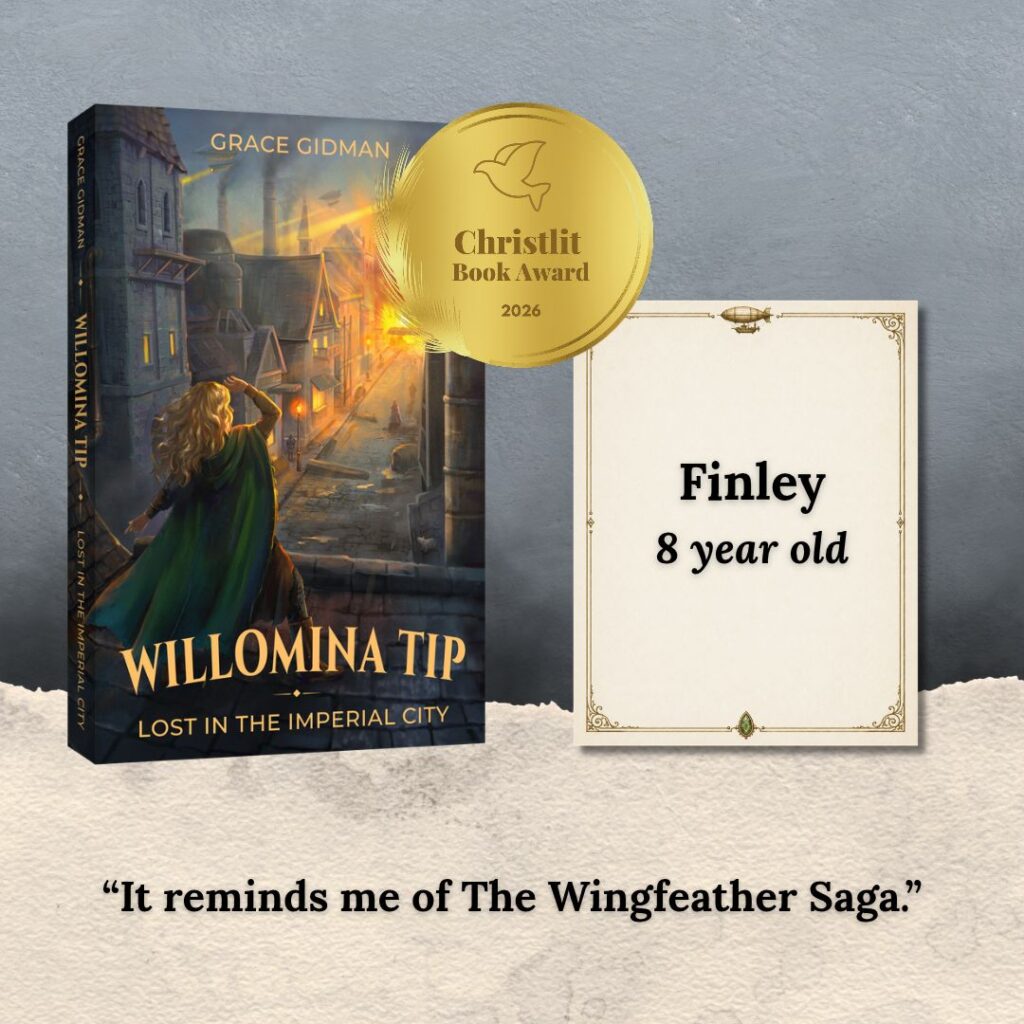
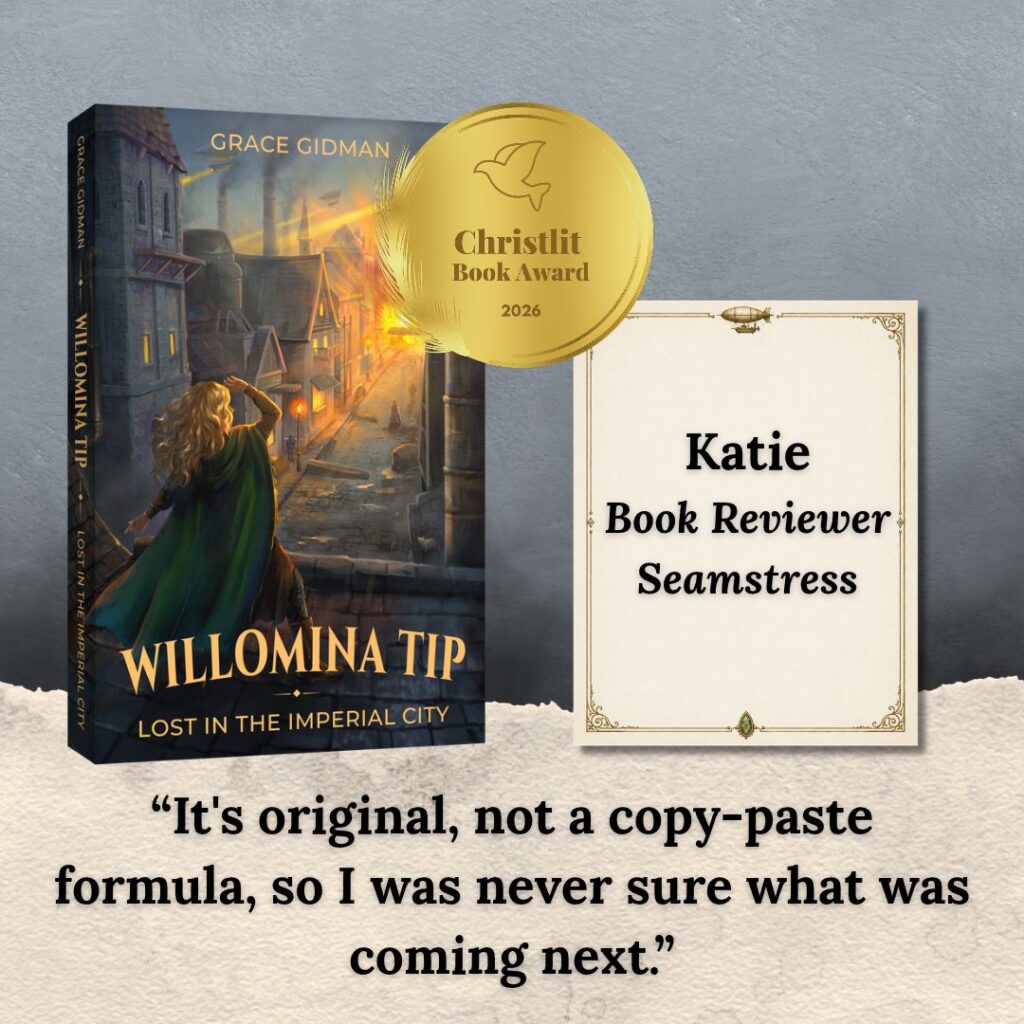
Good books are not as common as we wish they were. That’s why I operate by the principle that if you find a good thing, you should definitely share it.
I hope these books meet some of your cravings for adventure and light they way they have mine.
Take to the Skies Today!
Would you like to visit the Imperial City? Fly in an airship? Uncover the secret of a legendary thief?
Get a sneak peek into Willomina’s world by reading the first 7 chapters free.
Already set to take off? Get Willomina Tip: Lost in the Imperial City today!