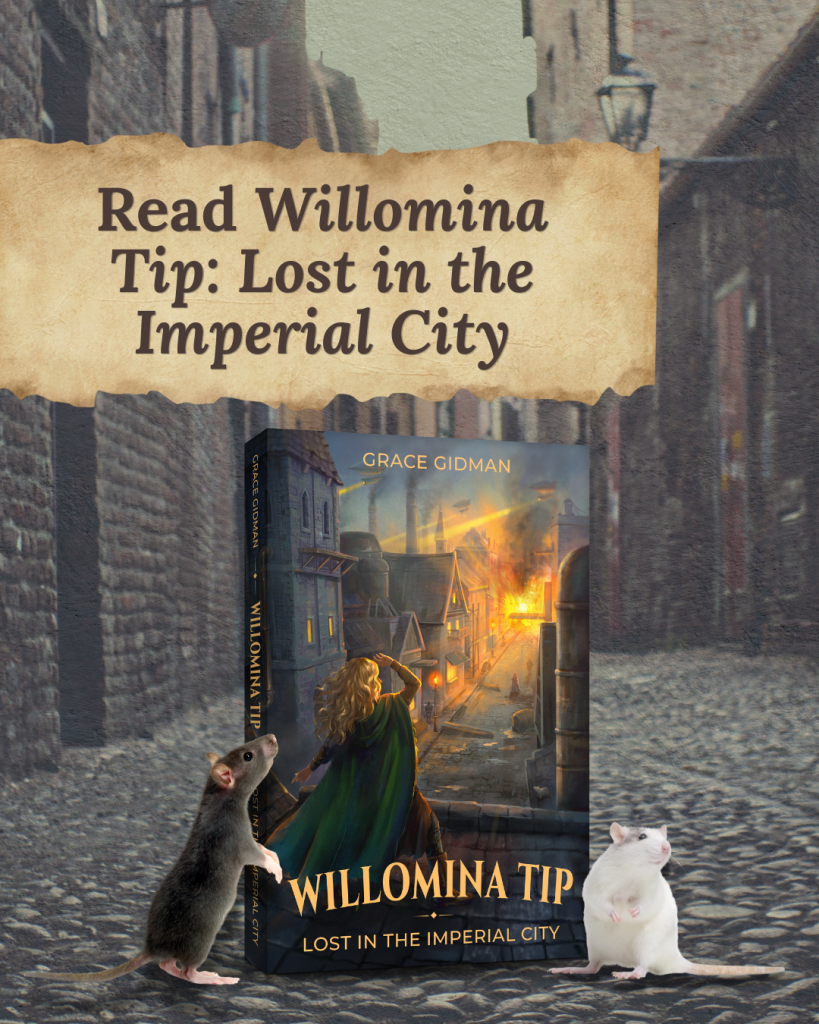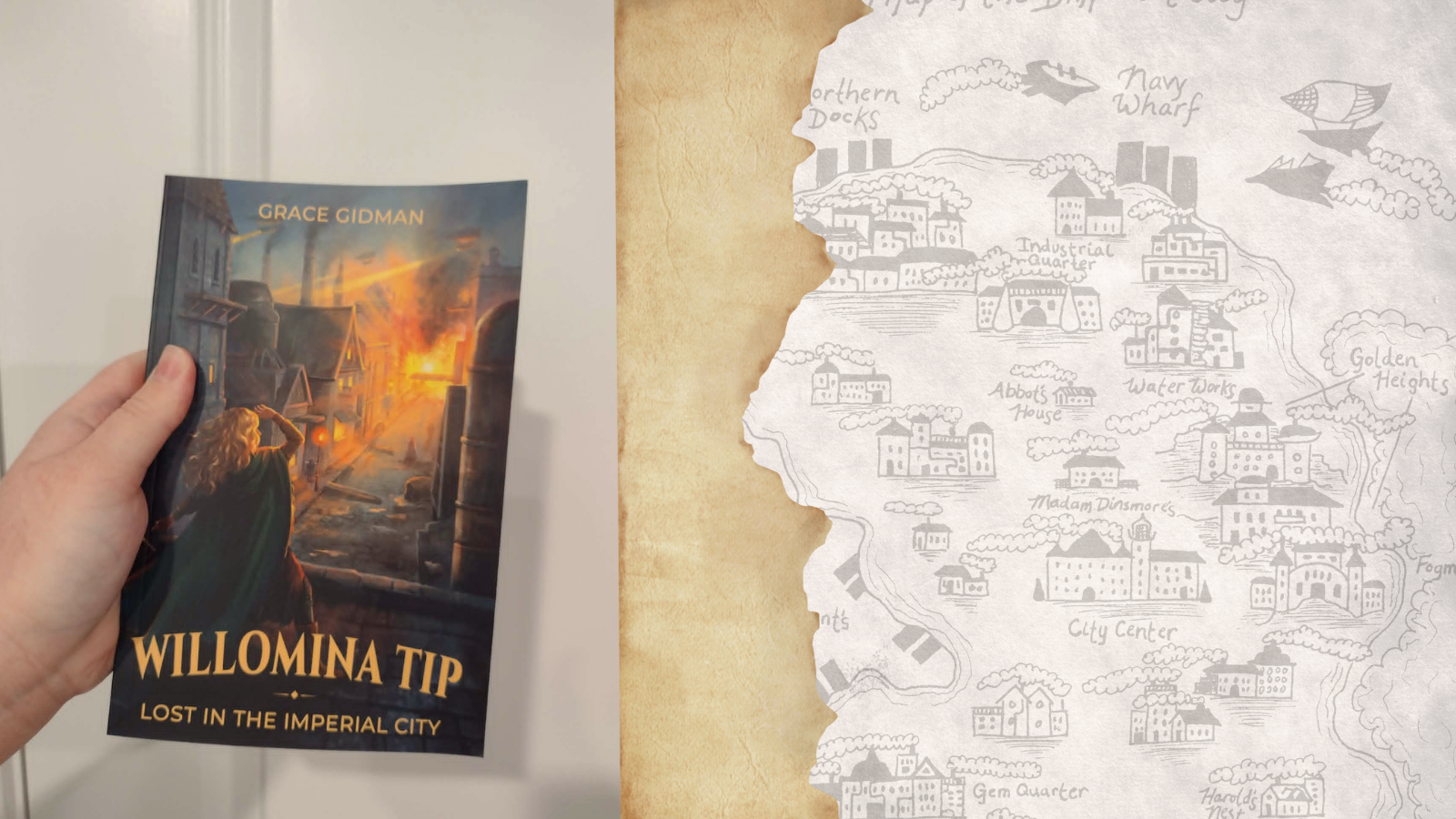
Blog

Book recommendations, behind-the-scenes worldbuilding, and resources for readers, parents, and teachers.

This blog shares middle-grade fantasy book lists, steampunk explanations, and insights into the world of Willomina Tip.

  • I Finally Published the Book I Dreamed About at 8 Years Old

    I Finally Published the Book I Dreamed About at 8 Years Old

    I stood in the middle of the hallway, my bare feet digging into the carpet as I zoned out, watching my baby brother play. I had just emerged from the intriguing world of Frank and Joe Hardy in Bayport, Massachusetts, where no mystery remained unsolved so long as they were on the case.

    Theirs wasn’t the only world I’d gotten lost in. Henry, Jessie, Violet, and Benny Alden in their boxcar in Greenfield. Nancy Drew in River Heights. Poppy the Mouse in the Dimwood Forest. Diggory and Polly in the Wood Between the Worlds.

    Story after story after story had drawn me in, but at that moment, I was drawing them out. Each book had a pattern, a set of rules, ingredients combined in different variations that all produced a satisfying result. It was a formula that could be figured out: put the right pieces in the correct order and voila!

    My mom walked by right as I concluded.

    “Mom. I could do that. I could write a book.”

    How My Childhood Prepared Me

    Childhood photo of author Grace Gidman, who dreamed of writing and publishing books from a young age.
    9-year-old Grace who was good at stories, but bad at soccer and seeing clearly in bright sunlight.

    I had no idea what kind of book I would end up publishing one day; I didn’t get that far when the epiphany first hit me in the hallway.

    A lot of the preparation for this book happened unconsciously. I wasn’t always a great writer as a kid, but I was always great at playing pretend and building my own storyworlds.

    Spinning a storyline and building a world was as easy as breathing to me. Set up a toy table and dishes, and boom, my sister and I were elegant English ladies having tea and a good gossip session. Assemble an entire wagon train in the living room, and suddenly my siblings and I were trailblazing to the Western frontier, always trying to stay one step ahead of bandits!

    I even had an entire town-sized collection of Sweet Streets (best toys EVER), with detailed personality profiles, families, and ongoing storylines for every character. Every time I set up the town, I would pick up the story again. It was a Sweet Street-sized soap opera, right there in my living room.

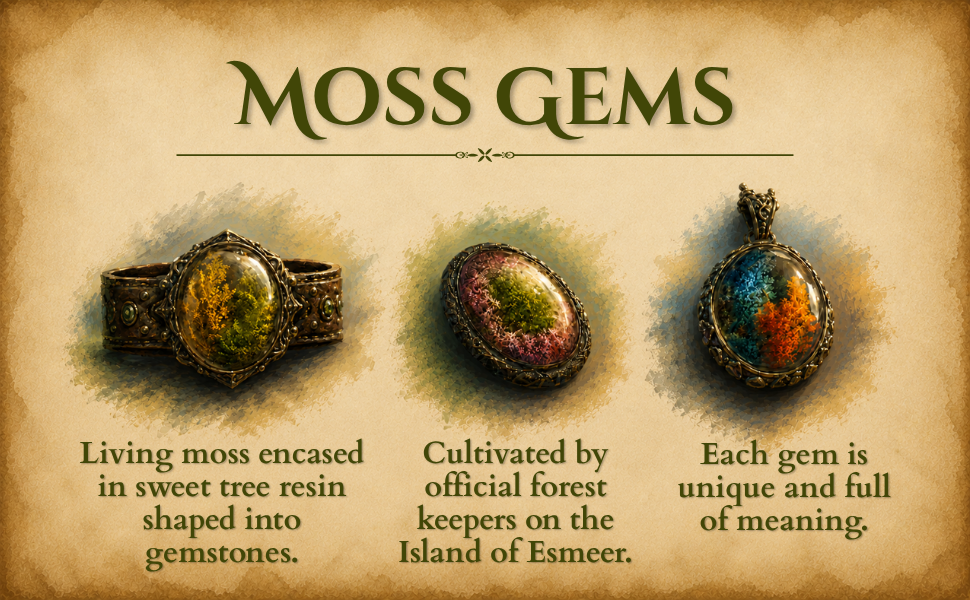
    I didn’t know it then, but I see now that I was training to be a professional worldbuilder. And the same skills that I used to play I have since used to build a rich and detailed world for Willomina Tip, from big-picture concepts like opposing cultural ideologies to in-depth flora and fauna such as the Esmeerian moss gems Willomina’s people are known for.

    Fantasy worldbuilding illustration of colorful moss gems made from living moss encased in sweet tree resin and shaped into gemstones from the world of Willomina Tip.
    Moss gems from the world of Willomina Tip: Lost in the Imperial City — living moss preserved in sweet tree resin and crafted into meaningful gemstones.

    From playtime to real time, I have been a worldbuilder, and the whimsical, steam-powered world of Willomina Tip is my biggest story yet.

    The Story Behind Willomina Tip

    I tossed around different ideas for my first book for years. Should I write one in my beloved mystery genre? Historical fiction? A fairytale?

    A middle-grade steampunk novel wasn’t even on my radar. I didn’t even know what steampunk was until my teenage years. But better late than never, right?

    The actual idea for Willomina Tip came from a larger collaboration.

    In 2020, a friend called me with a pitch for a TV show set in a world of floating islands called Wandering Skies. We spent a week developing the concept with a small team, and something inside of me just came alive.

    Over the next year, I wrote the first season, designed cultures and characters, and built an extensive world history and timeline. The world got richer and more exciting by the day, but getting the show off the ground was a different challenge, one that continues to this day.

    As the years piled up, I realized I didn’t want people to wait forever to experience this world I’d fallen completely in love with.

    What could I do to let people enjoy my story right here, right now?

    Willomina Tip suddenly appeared. Her name, personality, and story arrived almost all at once, and I immediately loved her.

    Willomina Tip is a book born at the intersection of creativity, community, and years of preparation.

    Dory from Finding Nemo is looking at a tiny jellyfish, with her classic line "just keep swimming" in text on the image.

    What 21 Years of Writing Actually Looks Like

    Ever seen someone become an overnight success? Most aren’t. It only appears that way because there are countless sleepless nights behind-the-scenes that you never witnessed.

    I had big ambitions as a kid. I was going to be the best writer I knew. I was going to publish a book by the time I was 18, and I was going to make a name for myself. Oh, dear little me.

    I had talent, I’ll give myself that, but it was raw and unformed. I would blush with embarrassment if you were to read my earliest book ideas and drafts.

    The road to this beautiful book is paved with thousands of hours of writing, dozens of ugly or unfinished drafts, multiple rejections, and a lot of self-doubt.

    Perseverance has been my faithful friend throughout the journey, and God has continued to prompt me so sweetly the whole way through.

    Hang in there, baby girl, I’ve got stories for you to tell. Just keep writing.

    So I did. Over time, people took notice.

    I got hired to write some plays for an elementary class. I finally got a flash fiction story published in an online magazine. I was hired to work on some scripts here and there, and I had an editing gig now and then. Sometimes, I was a writing coach for someone else’s story. I sold my first children’s story a few years ago and couldn’t believe it. I even ended up working in a copywriting and digital advertising role that was a whole new side of storytelling.

    Piece by piece, word by word, my path to my dream was paved.

    Holding My Book for the First Time

    I have often imagined what it would feel like to pour my heart, soul, and efforts into a story that I could finally hold in my hands. What would it be like to glance over at the shelf and see my book sitting alongside other books? You know, the ones written by “real authors.”

    Well, here I am.

    It took forever.

    It took no time at all.

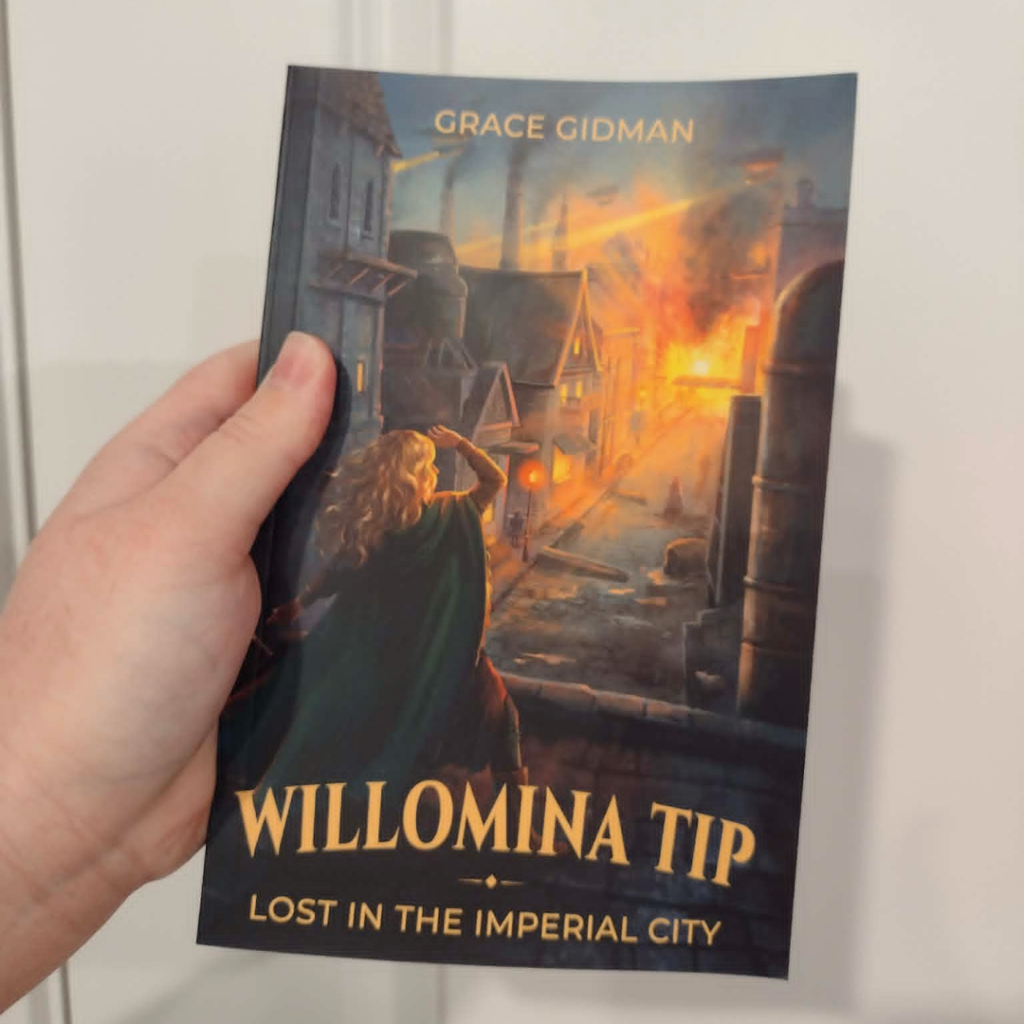
    I am here, holding a book that little Grace would have read and then made her entire personality for at least a year. A core memory book. The book I always dreamed of writing but never imagined I was capable of.

    Sometimes it’s hard to believe it’s even mine; it’s that wondrous and strange to me. I know most of it by heart, and yet, it’s like meeting a new person every time I look at it.

    This book was worth the wait.

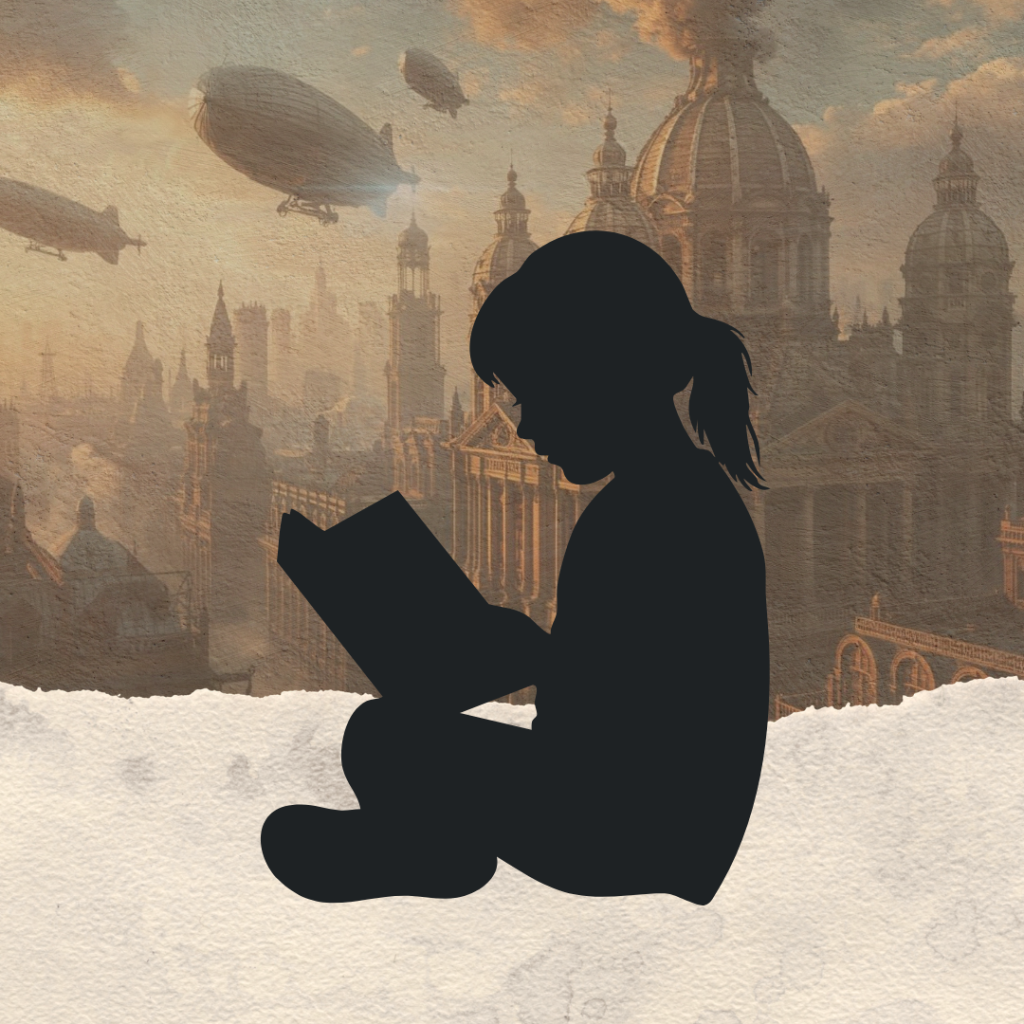
    Silhouette of a child reading a book against a fantasy city skyline with airships, representing imagination, storytelling, and the journey to becoming an author.

    Middle Grade Fantasy: A Gift for Younger Me

    I look at this book in my hand, and I think back to that 8-year-old version of me.

    This is not the book I knew I was going to write, but this is exactly the kind of book I needed.

    Life had a lot in store for little Grace. Much of it was going to be painful and confusing. I would face battles I did not anticipate, my identity and sense of belonging would be under attack, and I would have to find my way through my own version of the Imperial City…just like Willomina.

    It was going to be hard, and there would be scars from the journey. But in the end, I would emerge as Willomina does. Hopeful, her identity and purpose intact.

    The stories we read as children have the power to shape the rest of our lives. My favorite stories as a kid were the ones that inspired me to believe, to try, and build something from nothing. God used those stories as a beacon of light to direct me through some of my darkest hours.

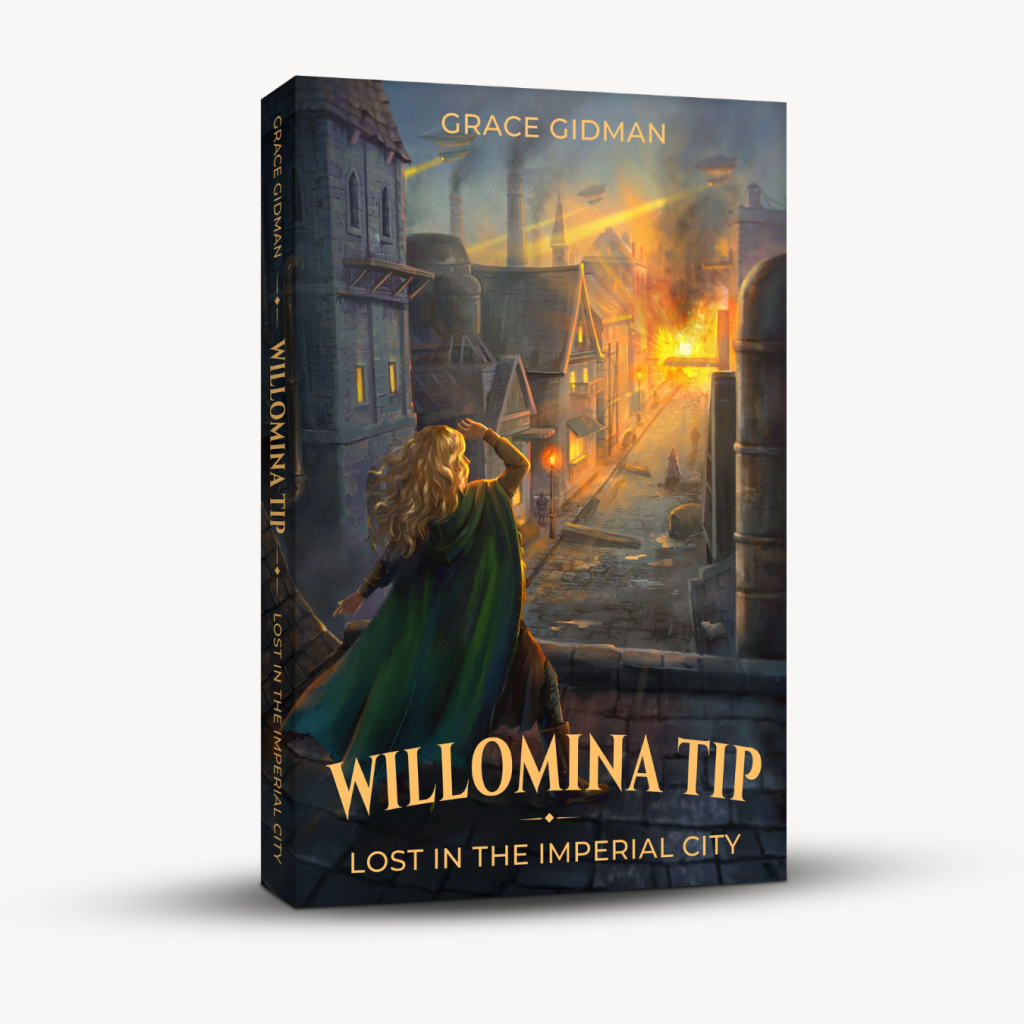
    I wrote the very story I needed as an 8-year-old girl who first believed she could be a writer. Because in this world there are other little boys and girls, some of them I already know and love, and they need Willomina Tip to be their beacon of light and hope.

    So, to little me.

    You did it, baby girl. God got you here. It wasn’t what you thought it would be; it’s actually better.

    And you are just getting started. 21 years may have been the preparation period, but the real work is just beginning.

    Who’s ready to join the adventure with me?

  • What Is Steampunk? A Simple Guide for Kids + Parents

    What Is Steampunk? A Simple Guide for Kids + Parents

    TL;DR

    For those who don’t know, steampunk is a sub-genre of science fiction that features retro-futuristic technology and aesthetics prominently inspired by 19th-century industrial steam-powered machinery and design. Often created as an alternative history, the Victorian Era and the American West are frequently the backdrops for this imaginative genre.

    In this article, we will cover what steampunk is, how it’s used in culture, and how it’s the perfect genre to encourage kids to explore and create worlds of their own.

    What is Steampunk for Kids?

    Say the word “steampunk,” and you often get two reactions.

    #1 – A blank stare of confusion

    #2 – An image of someone wearing a top hat and aviator goggles (mustache or corset may or may not be included)

    Steampunk has not been widely accepted or understood in popular culture for a long time, but it has thrived in smaller cultural niches, often with an edgier adult tone and darker aesthetic.

    But that’s just one way to view the genre.

    The actual definition of steampunk leaves it open to fresh (and kid-friendly) interpretations.

    Steampunk is a subgenre of science fiction that incorporates retro-futuristic technology and aesthetics prominently inspired by 19th-century industrial steam-powered machinery and design. Often created as an alternative history, the Victorian Era and the American West are frequently the backdrops for this imaginative genre.

    Science fiction plus 19th-century steam technology plus alternate history = awesome.

    Steampunk Examples in Movies and Books

    Without a doubt, one of the most appealing aspects of steampunk is the machines and technology. Mysterious submarines, floating islands, airships, automatons, and mechs? It’s an absolute Candy Land for an artistic mind, but mixed with the nuts and bolts of practical science and technology that keep this genre grounded.

    Jules Verne, whose work helped inspire what we now call steampunk, was one of the most respected voices in science fiction. The monstrous Nautilus featured in 20,000 Leagues Under the Sea is a prime example of making futuristic (for the time, anyway) technology the shining star of an alternative history.

    Hugo, set in the more modern 1930s, features a boy living in a Paris train station, where he maintains the station’s clocks and attempts to repair a beautiful old automaton.

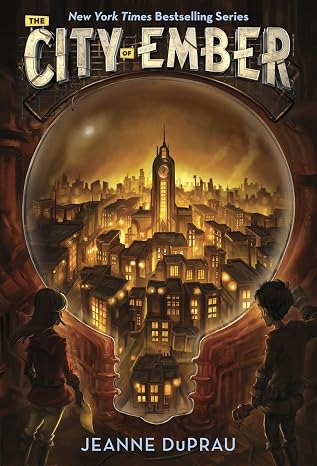
    The City of Ember takes place in a steampunk-like environment featuring rich worldbuilding and a post-apocalyptic society on the brink of collapse. To escape a dying underground city, the main characters must decipher a set of instructions and follow a pre-engineered path of escape created hundreds of years before by The Builders.

    Probably the best-known examples of this genre are Disney’s beloved classics, Treasure Planet and Atlantis: The Lost Empire. While Treasure Planet could be more correctly termed “space punk,” it still features airships, 19th-century technology in an alternative Victorian era, and the high-flying imagination steampunk is known for. Atlantis: The Lost Empire combines ancient history, alternative Victorian-era history, Atlantean magic, and magnificently futuristic technology into a hilarious adventure story.

    What do all these stories have in common?

    • Exploration
    • Alternative historical settings
    • Steam-powered technology
    • Fantastical settings grounded in reality

    That’s steampunk.

    Why Steampunk Is Great for Kids

    Kids are crazy smart. They can also be whimsical and will remain so if we nurture their creativity rather than squashing it.

    Steampunk is the perfect intersection of creativity and intelligence. A world of floating islands = whimsical. Airship engines, water pumping systems, and factories = practical intelligence.

    For your kids to understand steampunk, they need to engage their imagination and learn the practical realities of how and why things work. What propels the airship? How does it stay in the air? How could you manage an underground city with steampowered mechanics? What inventions would you need to make life work?

    Your kids can also learn real history if they want to pull it apart to recreate it in their own steampunk worlds. What happened in the Victorian Era or American West in science, technology, and geopolitical spheres, and what pieces do you want to incorporate in your story? How can you take the grime and the glamor and make them your own?

    Steampunk encourages an inventiveness that kids naturally possess and will grow in if we nurture them. (Seriously, have you ever tried to play a classic board game with a kid who ‘invented’ their own rules for it? No creativity lacking here!)

    Before you know it, your kids will be building worlds and coming up with ideas that combine science, art, history, and their own imagination.

    How Steampunk Inspires Creativity and Learning

    As a fun way to engage with your kids, try these steampunk imagination activities.

    • Ask: What powers your airship?
    • Imagine: How does a floating city stay in the sky?
    • Explore: What inventions would people need to survive?
    • Create: What would your world look like?

    Willomina Tip: My Steampunk World

    I’ll be honest, steampunk wasn’t the genre I started with—but once I discovered it, I realized how powerful it is for building rich, imaginative worlds.

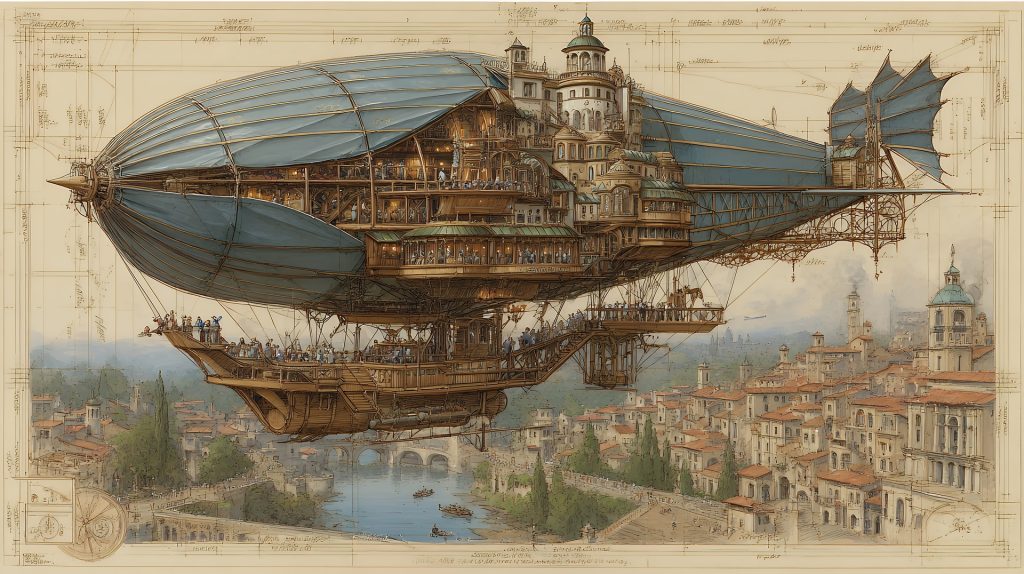
    For Willomina, I turned my focus skyward. She is a child of the air, born of a world of floating islands, airships, and complex geopolitical forces.

    Through her eyes, we are introduced to the practical realities of airships, trade agreements, coal-dependency, star navigation, and steam-powered water systems.

    I also included whimsical elements, like the Gem Forest on Willomina’s beloved home island, and the Legend of Polaris, which tells the story of brave adventurers who saved the light of the Northern Star.

    My world is one you can touch, taste, smell, feel, and imagine, familiar, and yet it’s entirely unique and unknown.

    That’s the power of steampunk, and it’s a power you can harness to inspire your kids today.

    Free Steampunk Writing Prompts for Kids (Printable PDF)

    Spark your kids’ creativity with these prompts to help build their imagination, storytelling skills, and confidence.

    Inside this free PDF, you’ll find:

    An airship adventure prompt – Captain of the Skies

    A mystery and stealth scenario – Hidden in the City

    A high-stakes exploration – Treasure in the Sea

    These prompts are perfect for:

    • Parents and homeschool families
    • Teachers and classroom activities
    • Young writers who love fantasy and steampunk worlds

    To get the most out of these prompts:

    • Set a 10–15 minute timer.
    • Let kids draw before they write.
    • Encourage “what if” thinking.
    • Focus on creativity—not perfection.

    Download Your Free Steampunk Writing Prompts

    Get started on your steampunk adventure!

    Now that you know what steampunk is, it’s time to explore!

    And there’s no better place to start than through the wondrous eyes of a child.

    Fly well!

    Grace (author of Willomina Tip)

  • Books Like City of Ember (Best Middle Grade Picks)

    Books Like City of Ember (Best Middle Grade Picks)

    Lorem ipsum dolor sit amet, consectetur adipiscing elit. Donec lectus risus, congue in eleifend non, malesuada et leo. Nunc tempor, turpis in auctor tempor, felis ipsum laoreet neque, ut lobortis enim sapien sagittis justo. Etiam elit augue, hendrerit mollis nulla sit amet, finibus pulvinar ex. Nam gravida et dui dapibus commodo.